
Packaging Insights
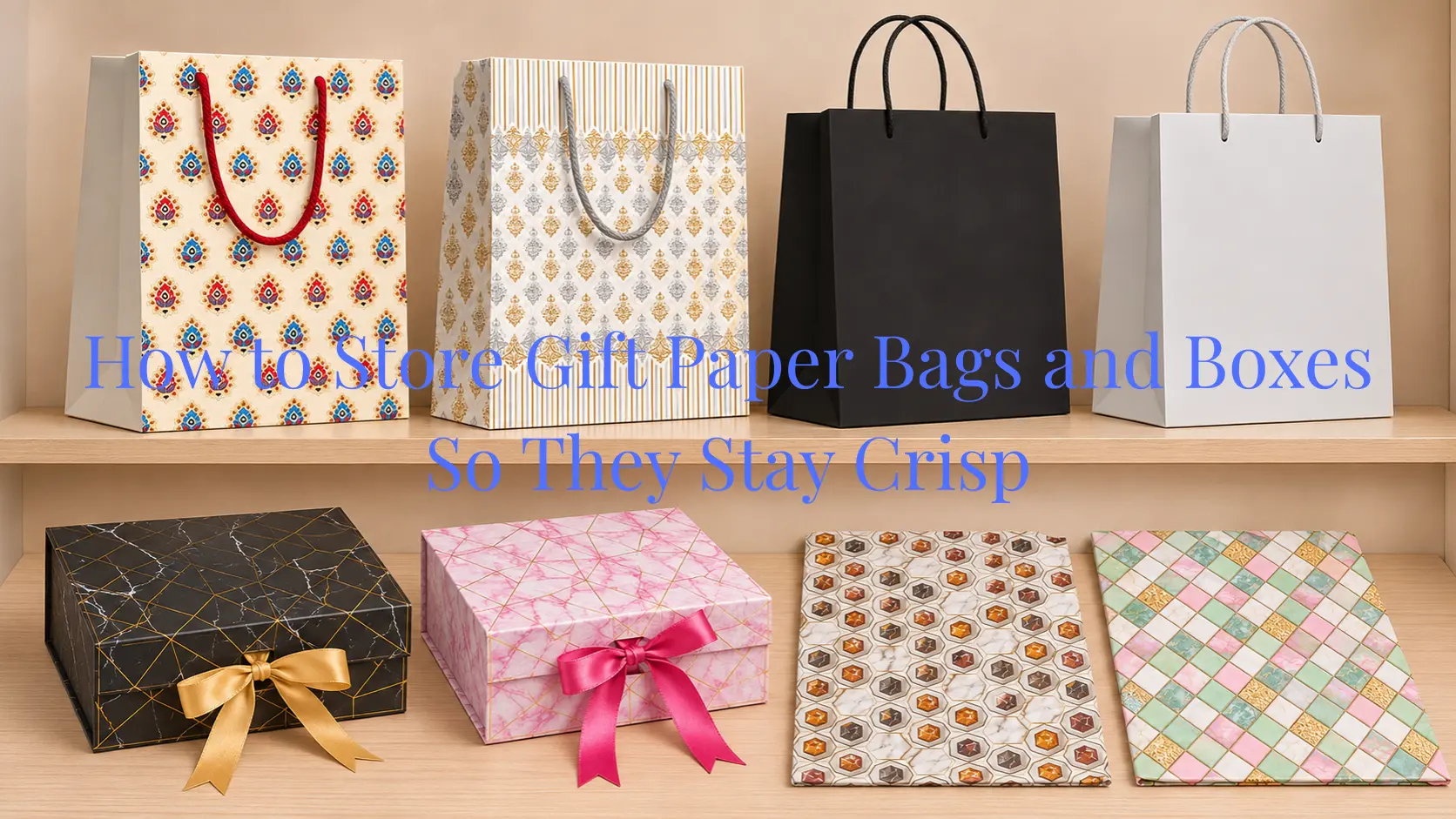
Knowing how to store paper bags properly can help prevent creases, curled corners, flattened handles and moisture damage. You may open a cupboard to grab a gift bag for an occasion, only to find that it has lost its shape or developed a damp smell. Nothing was wrong with the bag when you bought it. It simply spent too much time in unsuitable storage conditions.
Paper packaging is practical and sturdy when used correctly, but it can be easily damaged by moisture, pressure, heat and poor handling. The good news is that a few simple habits can help keep your bags and boxes in good condition for longer.
This guide explains how to store paper bags and gift boxes properly, whether you keep a few bags at home or manage packaging stock for a retail shop. These practical storage tips do not require special equipment and can help prevent unnecessary damage and waste.
The Short Version
- Keep packaging dry. Moisture can soften paper, affect its shape and cause unpleasant smells.
- Store bags flat and straight. Avoid crumpling, curling or squeezing them into tight spaces.
- Keep packaging off the floor. Use shelves, racks or storage containers to protect it from dampness and spills.
- Avoid excessive stacking. Heavy items can crush bags, damage handles and dent boxes.
- Protect packaging from direct sunlight and heat. These can affect printed colours and paper structure.
- Keep stock covered and labelled. Original cartons help protect packaging from dust and make identification easier.
- Store foldable boxes flat. Rigid boxes require more space and careful stacking.
Why Paper Packaging Goes Limp in Storage
Understanding how to store paper bags also means recognising how moisture, pressure and temperature can affect their condition.
- Moisture: Paper absorbs moisture from the surrounding air. High humidity can soften bags, curl corners, affect handles and create a musty smell. Prolonged dampness may also encourage mould growth.
- Pressure: Heavy items placed on top of packaging can create creases, flatten handles and dent box corners or edges.
- Heat and Sunlight: Direct sunlight can fade printed colours, while excessive heat may affect the shape and condition of paper and board.
- Pests and Dust: Insects and rodents can damage paper and cardboard, while dust settles on exposed packaging and affects its appearance.
- Repeated handling: Bags that are frequently pulled out, folded or pushed back into storage may develop creases along the same lines over time.
In many parts of India, the monsoon season creates an additional storage challenge. Humidity can remain high for extended periods, making cupboards and stockrooms more vulnerable to dampness. A storage space that works well during dry weather may need extra attention during the rainy season. The most important precaution is to keep paper packaging dry, clean and protected from prolonged exposure to humidity.
How to Store Paper Bags: The Basics
A few straightforward storage habits can make a significant difference to the condition of your paper bags. Follow these practices to help maintain their shape, handles and overall appearance.
- Keep Them Dry: Moisture is one of the biggest concerns when storing paper products, so choosing the right location is essential.
- Choose a dry, well-ventilated area. Avoid bathrooms, damp kitchens, basements and spaces near leaking pipes or air-conditioner drainage.
- Keep bags away from outside walls. Walls exposed to rain or damp conditions can transfer moisture to nearby packaging.
- Use moisture absorbers when necessary. Silica gel sachets or a suitable dehumidifier can help manage moisture in enclosed storage areas during humid weather.
- Do not seal damp packaging. If a bag or carton feels damp, allow it to dry completely in a suitable ventilated area before placing it in a closed container.
When you store paper bags for an extended period, consistency matters more than complicated storage equipment. Some coated or laminated bags may tolerate light surface splashes better than uncoated paper bags, but this does not make them suitable for prolonged exposure to moisture or humid storage conditions. Keep all paper packaging in a dry location.
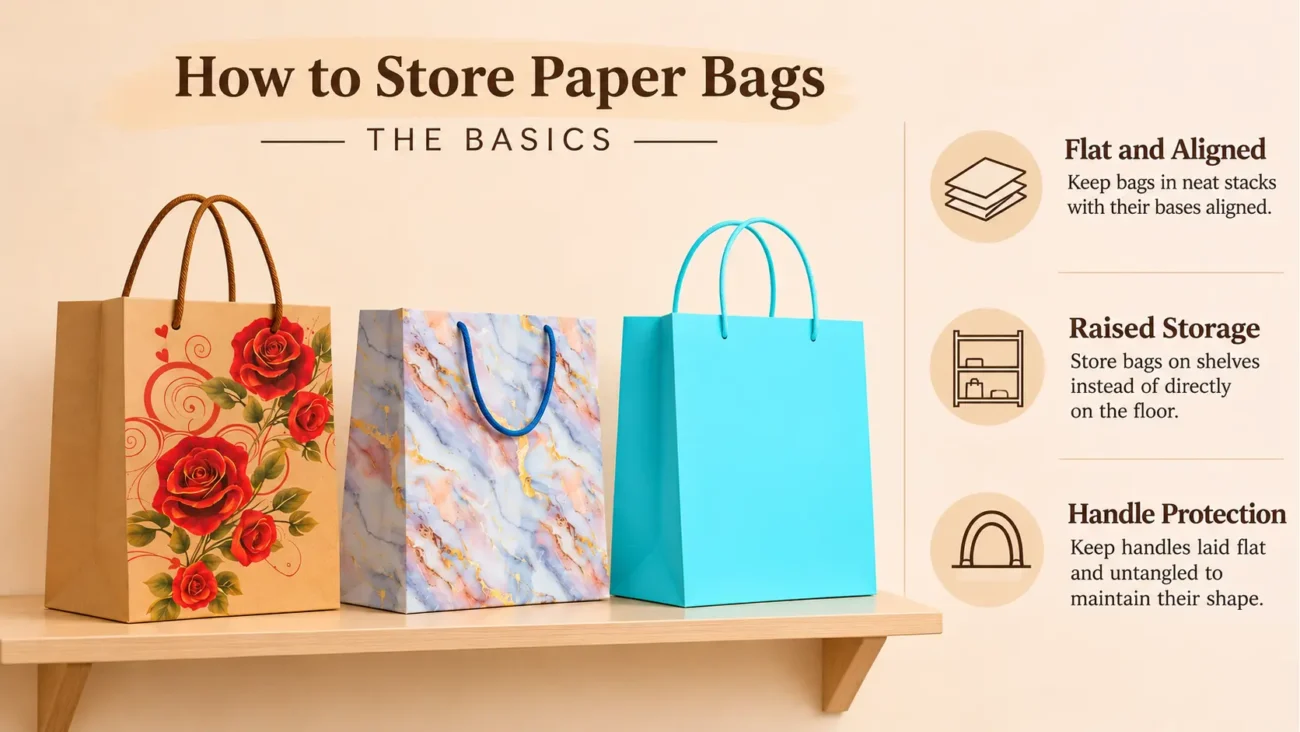
- Store Them Flat and Square: Paper bags are generally designed with specific folds and a structured base. Storing them in their natural shape helps prevent unnecessary creases and deformation.
- Arrange bags in neat, flat stacks. Keep the open sides facing the same direction wherever possible.
- Align the base folds. Bags stacked unevenly may develop creases or become misshapen.
- Avoid rolling or cramming them into narrow spaces. This can damage the folds and outer surface.
- Use their original packaging where practical. Bags often arrive stacked and bundled in a way that makes storage easier.
Keeping bags organised by size also makes it easier to find the right one without disturbing the entire stack.
- Get Them Off the Floor: Floors are more exposed to spills, dampness, dust and pests than raised storage areas. Keeping packaging off the ground reduces the risk of avoidable damage.
- Use shelves, racks or pallets. Even a small gap between the packaging and the floor can help protect it.
- Leave some space between stacks and walls. This allows better airflow and makes it easier to inspect the storage area.
- Avoid the lowest shelf in damp rooms. Choose a higher, drier location if the room is prone to moisture or flooding.
For businesses storing larger quantities, raised shelving also makes stock easier to organise, count and access.
- Don’t Overstack, and Protect the Handles: Excessive weight can gradually damage paper bags, especially when they remain compressed for long periods.
- Keep stacks at a manageable height. Too much weight can crush the bags at the bottom.
- Avoid placing heavy boxes on top of bags. This can flatten the handles and affect the bag’s shape.
- Keep handles laid flat and untangled. Avoid twisting or trapping them beneath other bags. Rope handles may develop permanent bends if compressed for extended periods.
- Keep bags away from sharp objects. Sharp edges can puncture or tear the paper during storage.
If you have bags with different handle styles, arrange them carefully so that the handles do not become caught between stacks.
- Keep Them Away From Sun and Heat: Paper packaging should be stored away from direct sunlight and excessive heat to help maintain its appearance and shape.
- Avoid window sills and direct sunlight. Prolonged exposure can fade printed colours.
- Keep packaging away from heaters and hot areas. Upper shelves, lofts and enclosed spaces can become particularly hot during summer.
- Use a cupboard or covered storage box. This offers better protection than leaving bags exposed on an open shelf near a window.
A cool, dry and shaded storage location is generally more suitable for paper bags.
- Cover Against Dust and Pests: Dust and pests can affect packaging that remains unused for long periods. Keeping bags covered helps maintain their condition.
- Use a lidded box, storage bin or original carton. This helps prevent dust from settling on the bags.
- Inspect stored packaging occasionally. Look for signs of insects, rodent activity or musty smells.
- Keep food away from packaging stock. Crumbs and food residue can attract pests.
- Avoid leaving cartons open for extended periods. Close them after taking out the required bags.
For businesses, regular stockroom checks are particularly useful during the monsoon and other humid periods.
- Keep Them in the Original Carton and Label It: If you purchase paper bags in larger quantities, the original carton can make storage easier and help protect unused stock.
- Keep bags in their original carton until they are required, provided the carton is dry and undamaged.
- Label each carton clearly with the bag size, type and date received.
- Open one carton at a time and keep the remaining stock covered or sealed.
This simple system helps you identify the right packaging quickly without repeatedly opening and disturbing other cartons.
How to Store Paper Bags at Home: Ideas for Small Spaces
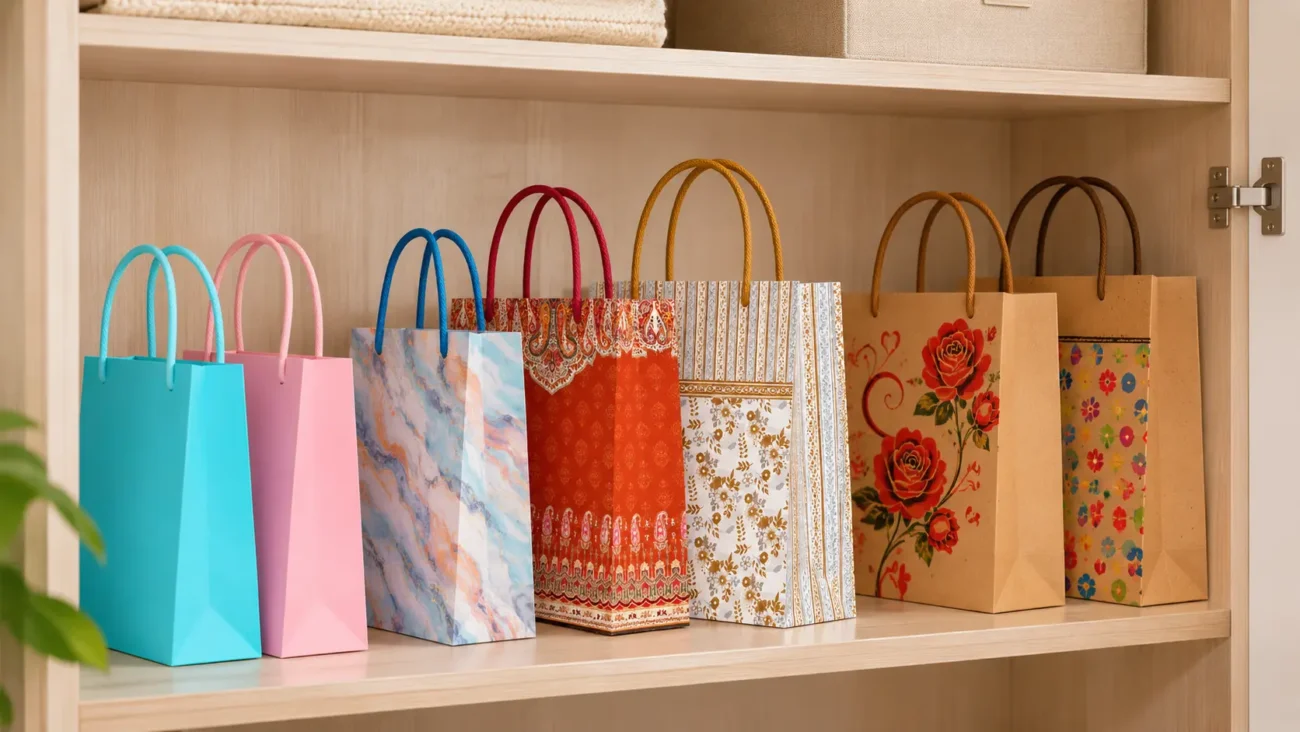
If you regularly store paper bags at home, choose an organiser that keeps them accessible without squeezing their sides or handles. A few simple solutions can help keep them neat and accessible.
- A flat box or drawer: An under-bed storage box or wide drawer can hold bags flat and protect them from dust.
- A magazine file or document holder: Store bags upright by size so you can select one without disturbing the others.
- A flat file or folder: A large folder or portfolio case can hold flat bags and wrapping paper sheets.
- A wardrobe shelf with dividers: Separate small, medium and large bags to keep them organised.
- A hanging organiser: A door-mounted organiser with clear pockets can hold smaller bags and lightweight packaging accessories.
- A ready-to-use stack: Keep a few frequently used sizes near your wrapping area and store the remaining bags elsewhere.
Whichever storage option you choose, remember three basic rules: keep the bags dry, avoid overcrowding and use the storage space only for items that belong there.
How to Store Gift Boxes
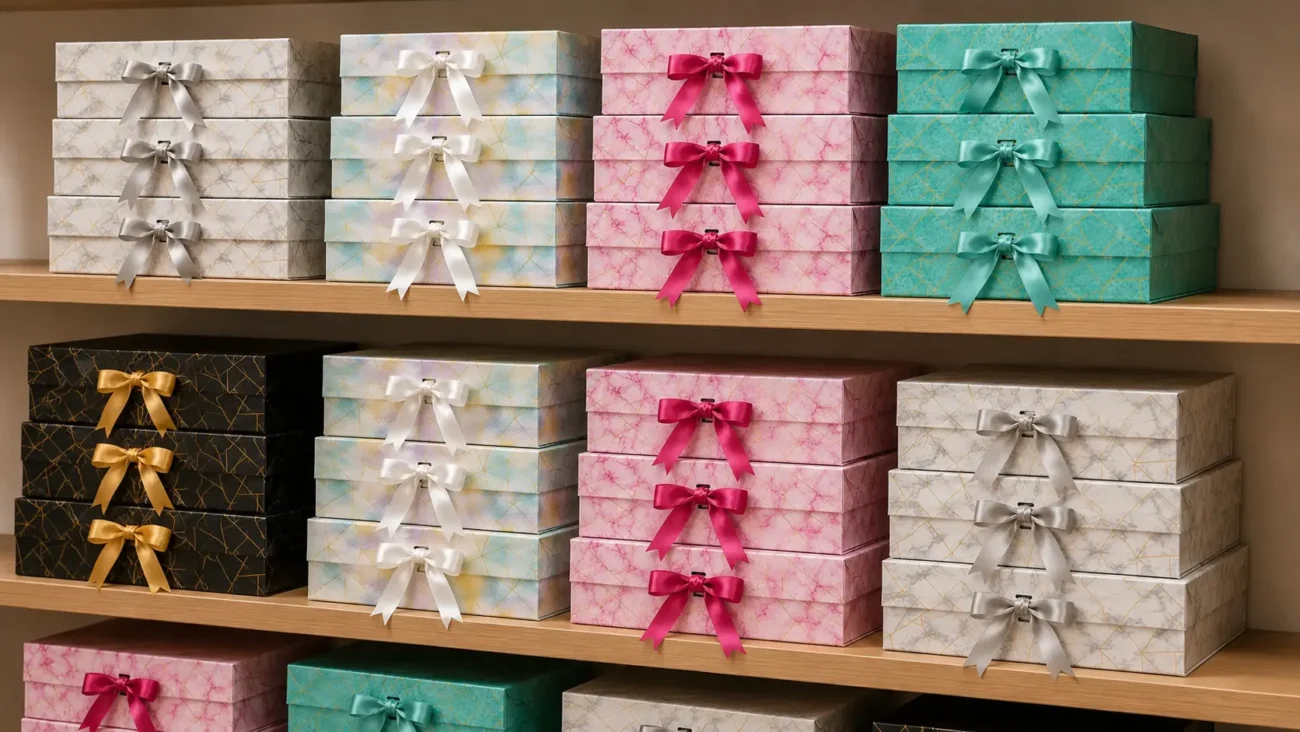
The same principles used to store paper bags apply to gift boxes: keep them dry, organised and protected from unnecessary pressure. Gift boxes need slightly different storage methods depending on how they are made. Foldable boxes can usually be stored flat, while rigid boxes need enough space to protect their shape. Storing each type correctly helps prevent dents, creases and unnecessary damage.
- Foldable Boxes: Foldable gift boxes are easier to store because they can remain flat until they are needed. This saves space, particularly when you keep packaging stock for different occasions or products. Follow these storage practices:
- Store them flat: Keep unassembled boxes in their original carton or a clean, flat storage area.
- Protect the fold lines: Avoid placing heavy objects on the boxes or forcing them along their existing folds.
- Keep stacks level: Arrange boxes evenly so that the edges do not bend or become misaligned.
- Assemble only when needed: Putting every box together in advance takes up more space and increases the risk of dents or pressure marks.
- Rigid Boxes: Rigid gift boxes cannot be folded flat, so they require more storage space. Their shape is part of their structure, making it important to protect the corners, edges and lids. For better storage:
- Choose a stable shelf: Place rigid boxes on a flat surface where they are unlikely to fall or get knocked.
- Keep the lids in place: Store lids with their respective boxes to prevent them from getting separated or misplaced.
- Avoid heavy stacking: Do not place heavy cartons or other objects on top, as the pressure can dent the lid or sides.
- Use protective covering: If the boxes will remain unused for an extended period, cover them to reduce dust accumulation.
- Avoid overcrowding: Leave enough room to remove a box without scraping or squeezing it against other packaging.
- Boxes With Magnetic Closures: Foldable magnetic lid boxes need care around their folding panels and closure areas. Incorrect handling or pressure can affect how neatly the lid sits. Use these simple precautions:
- Store foldable magnetic boxes flat until they are required.
- Keep assembled boxes closed when storing them so the lid remains aligned.
- Avoid pressing or placing heavy objects over the magnetic closure area.
- Keep loose metal items, such as pins and clips, away from the box surface to prevent them from sticking to the magnets or scratching the finish.
- Handle the folding panels gently when assembling or flattening the box.
- Wrapping Paper Sheets: Wrapping paper sheets should be stored carefully because folds, wrinkles and creases can affect their appearance when used. For better results:
- Keep sheets flat: Store them in their original packaging or a flat folder to prevent unwanted creases.
- Avoid rolling or folding: Unless the paper is specifically intended to be stored that way, keep it flat.
- Protect from moisture: Store wrapping paper in a dry cupboard or enclosed storage area.
- Keep it organised: Arrange sheets by colour, design or size so that you can find the right option without repeatedly handling the entire stack.
Before preparing a gift, it also helps to estimate the amount of wrapping paper required for its size. Our guide explains how much wrapping paper you need for different gift sizes.
A Quick Storage Reference
Use this table as a quick reminder when organising different types of paper packaging.
| Packaging type | Recommended storage | What to avoid |
|---|---|---|
| Paper gift bags | Flat, upright stacks in a dry cupboard or storage box | Damp conditions, crushed handles and crumpling |
| Kraft paper bags | Flat stacks, kept dry and off the floor | Humid rooms and excessive stacking |
| Foldable gift boxes | Flat, inside their original carton | Assembling too early or forcing fold lines |
| Rigid gift boxes | On a stable shelf, with lids kept together | Heavy objects and excessive stacking |
| Wrapping paper sheets | Flat in original packaging or a folder | Rolling, folding and moisture |
| Bulk packaging stock | Sealed cartons on shelves or pallets | Floor storage, open cartons and direct sunlight |
How Businesses Can Store Paper Bags and Packaging Stock
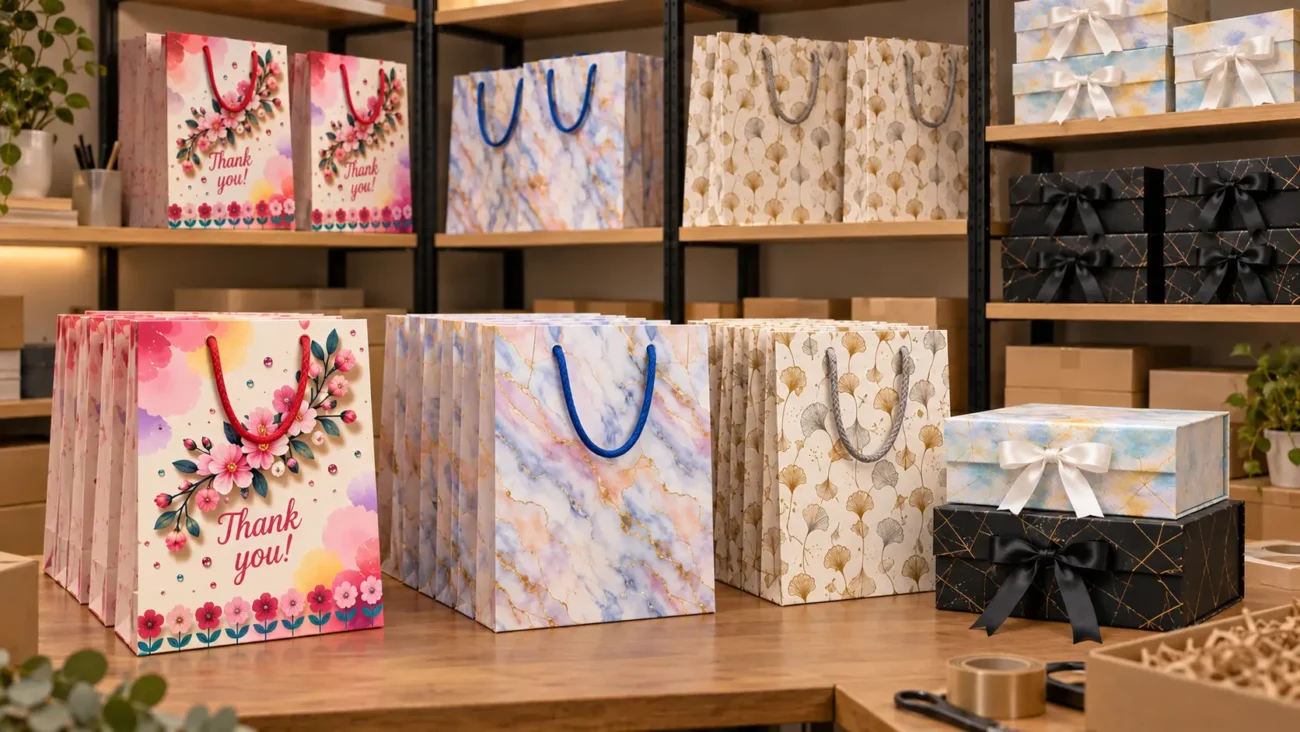
For retail stores, gift shops and businesses that regularly use paper packaging, proper storage is not just about preventing damage. It also makes stock easier to manage, reduces unnecessary handling and helps staff find the right packaging when needed. Retailers who store paper bags in bulk should organise stock by size and type to make everyday packaging easier to access.
- Use Shelves Instead of Floor Storage: Keep paper bags, gift boxes and wrapping sheets on shelves rather than directly on the floor. This reduces their exposure to floor-level moisture, dust and accidental spills. If you use cartons for bulk storage, place them on suitable shelving or pallets and make sure they remain stable.
- Label Packaging by Size and Type: Organise packaging into clear categories, such as:
- Paper gift bags
- Kraft paper bags
- Foldable gift boxes
- Rigid gift boxes
- Wrapping paper sheets
- Wine bottle paper bags
- Add size labels where applicable. This makes it easier for employees to locate the right packaging without opening multiple cartons.
- Follow First-In, First-Out Stock Rotation: Use older stock before opening newer deliveries, provided the older packaging is still in good condition. This simple method helps prevent packaging from remaining unused at the back of a stockroom for months.
- Keep Daily-Use Stock Separate: Keep a small working supply near the packing counter or checkout area. Store the remaining stock in the main storage space. This reduces repeated movement of cartons and helps protect unused packaging from unnecessary handling.
- Check for Dampness and Pests: Inspect storage areas regularly, especially before and after the monsoon season in India. Look for:
- Damp patches on walls or floors
- Water leakage near cartons
- Musty smells
- Insects or signs of pests
- Moisture inside storage containers
- If you notice dampness, move the packaging to a dry location and check whether any affected items need to be discarded.
- Store Seasonal Packaging Separately: Festive and seasonal packaging may not be needed throughout the year. Keep it in clearly labelled cartons so that it can be located when demand increases. Avoid placing seasonal stock under heavy cartons or in areas where it may be forgotten or exposed to moisture.
- Plan Stock Purchases Carefully: Buying packaging in bulk can help businesses maintain stock, but ordering more than the available storage space can create problems. Before placing an order, consider:
- How quickly each packaging type is used
- How much storage space is available
- Which sizes are regularly required
- Whether seasonal demand is approaching
- Whether the stock can be stored in suitable conditions
For more guidance, read our article on planning bulk gift packaging orders around quantities, samples and storage. Small retailers can also explore essential packaging supplies and stock management for small businesses. A consistent receiving and storage process helps businesses maintain better control over their packaging inventory.
How to Store Paper Bags Between Seasons
Seasonal packaging is often stored for several weeks or months before it is needed again. Before you store paper bags for the next festive season, check that they are completely dry and free from visible damage. Whether you are keeping festive gift bags at home or storing unused packaging stock in a shop, the right conditions can help prevent damage during this period.
Follow these steps before putting packaging away:
- Make Sure Everything Is Completely Dry – Never store paper bags, gift boxes or wrapping sheets while they are damp. Even slight moisture trapped inside a closed carton can affect the paper over time. If packaging has been exposed to humidity or accidental spills, allow it to dry completely in a well-ventilated, shaded area before storing it.
- Use a Suitable Storage Container – Place packaging in a clean, dry, lidded container or carton to protect it from dust and accidental contact. If the storage area is prone to humidity, a suitable moisture absorber can help manage excess moisture. Keep it separate from the paper packaging and follow the product’s usage instructions.
- Label Seasonal Stock – Clearly label each container with its contents and the occasion or season it belongs to. This makes it easier to locate the right packaging when required. For example:
- Diwali gift bags
- Christmas packaging
- Wedding gift bags
- Festive wrapping paper
- General-purpose gift boxes
- Choose a Safe Storage Position – Keep seasonal packaging flat and properly arranged. Place it towards the back of a suitable shelf if it will not be needed immediately. Avoid storing cartons underneath heavy stock, near water pipes or in areas exposed to direct sunlight.
- Check Stored Packaging Occasionally – If packaging will remain unused for several months, inspect it once or twice during that period. Pay particular attention after rainy weather. Check for dampness, unusual smells, insects and signs of damage before using the stock again.
What to Do When Stored Paper Bags Become Limp or Creased
Sometimes, paper packaging gets damaged even when you try to store it properly. A minor crease or curled corner may be manageable, but moisture damage and mould require more caution.
Here are a few ways to handle common issues.
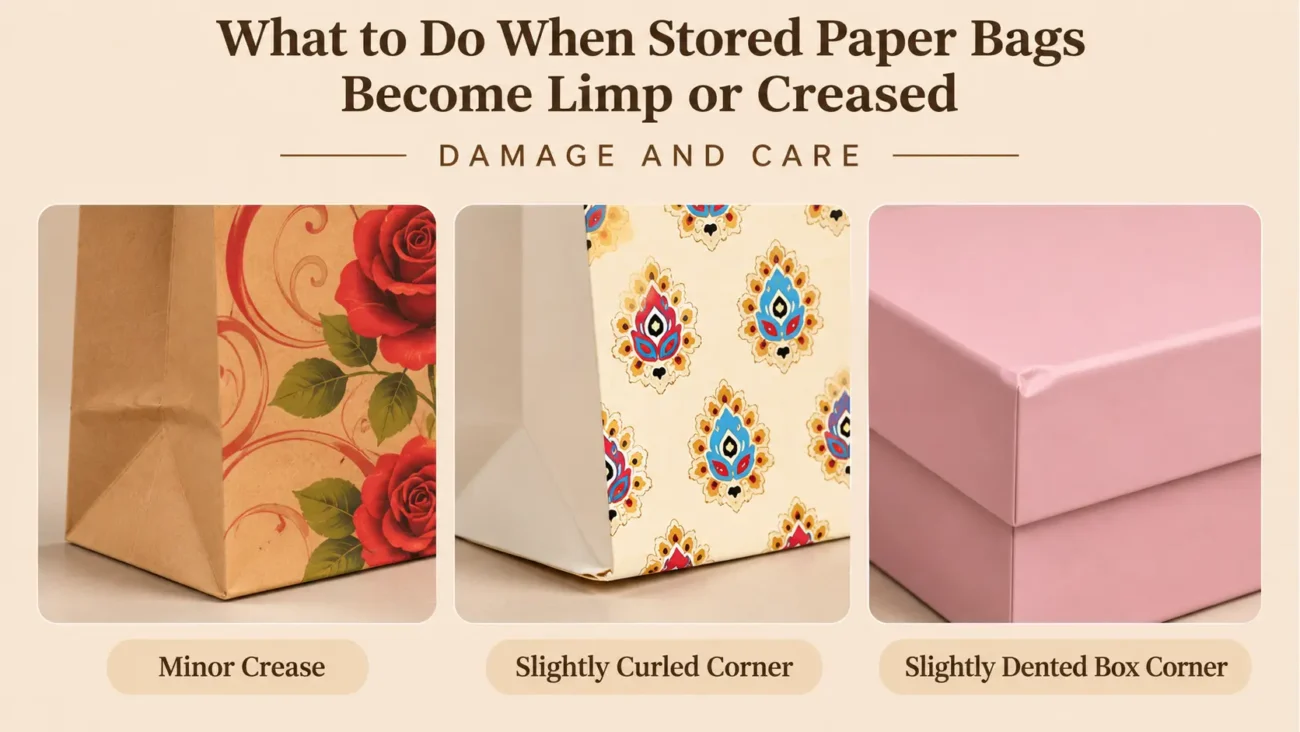
- Light Creases on Paper Bags – If a paper bag has a minor crease, place it on a clean, flat surface. Put a flat, lightweight book or another suitable object over the affected area for a day or two. Avoid using excessive pressure, especially around the handles and folded edges.
- Curled Corners – Curled corners can sometimes be flattened by placing the bag on a level surface and applying light, even pressure. Make sure the room is dry before attempting this. Do not pull or bend the corner sharply, as this may weaken the paper.
- Slightly Damp Packaging – If a paper bag or wrapping sheet becomes mildly damp, move it to a dry, shaded and well-ventilated area. Allow it to dry naturally before placing it back into storage. Do not stack damp packaging or seal it inside a container. If the paper becomes soft, swollen or badly distorted, it may no longer be suitable for presentation or use.
- Dented Gift Box Corners – For a slightly dented box corner, you may be able to gently press the affected area back into shape. Be careful not to apply too much force. Rigid box boards and their outer coverings can crack, split or develop permanent marks if handled roughly.
- Packaging With Mould or a Strong Musty Smell – Do not try to restore packaging that shows visible mould, has a strong musty smell or has become soft and swollen due to moisture. It is safer to discard affected paper packaging rather than use it for gifting or product presentation.
Important: Avoid using a hot iron, hair dryer or direct heat to remove creases or dry paper packaging. High temperatures can damage the paper, affect its finish and create further distortion.
Common Storage Mistakes to Avoid
Even good-quality paper packaging can lose its appearance when stored incorrectly. Some common mistakes are easy to overlook, particularly when space is limited.
| Storage mistake | Why it causes problems | Better approach |
|---|---|---|
| Keeping packaging in damp areas | Moisture can weaken paper and cause a musty smell | Choose a clean, dry storage area |
| Storing bags directly on the floor | Exposes packaging to dust, spills and floor-level moisture | Use shelves or suitable raised storage |
| Cramming bags into small spaces | Can crease the bags and damage their handles | Store them flat or upright without squeezing |
| Placing heavy items on top | Can flatten bags and dent gift boxes | Keep stacks level and avoid excess weight |
| Sealing damp packaging | Traps moisture inside the container | Allow packaging to dry completely first |
| Assembling every foldable box in advance | Takes up more space and increases handling | Store flat and assemble when needed |
| Leaving cartons open | Allows dust and other contaminants to reach unused stock | Close cartons after taking out the required packaging |
| Forgetting seasonal stock | Packaging may remain unchecked for months | Label cartons and inspect stored items occasionally |
The most important habit is to keep packaging dry, organised and protected from unnecessary pressure. A little attention during storage can prevent avoidable damage and help keep your packaging ready for its next use.
Conclusion: Keep It Dry, Keep It Flat
Proper storage plays an important role in maintaining the appearance and usability of paper bags, gift boxes and wrapping paper. Moisture, excessive pressure, direct sunlight and careless handling can all affect packaging over time. Whether you are storing a few gift bags at home or managing packaging stock for a retail business, a few simple habits can make a difference:
- Keep paper packaging in a dry storage area.
- Store bags flat or upright without crushing them.
- Keep foldable boxes flat until required.
- Protect rigid boxes from dents and excessive weight.
- Store wrapping paper sheets flat.
- Organise stock by size and type.
- Inspect packaging that has been stored for long periods.
The goal is simple: keep your packaging organised, protected and ready to use whenever you need it.
Frequently Asked Questions
Store paper bags in a clean, dry place away from direct sunlight and moisture. Keep them flat or upright in organised stacks, depending on their shape. Avoid overcrowding, crushing the handles or placing heavy objects on top.
Keep paper bags flat and properly aligned during storage. Avoid squeezing them into drawers or placing heavy items over them. If a bag develops a minor crease, you can try flattening it under light, even pressure for a day or two.
The storage method depends on the box type. Keep foldable gift boxes flat until needed, while rigid gift boxes should be stored on stable shelves with their lids protected. Keep both types away from moisture and excessive weight.
Foldable boxes are generally easier to store flat because they take up less space and are less likely to get dented during storage. Rigid boxes cannot be flattened, so they should be kept assembled in a suitable storage area.
Store paper packaging in a dry, well-ventilated area, away from damp walls and floors. Use clean, closed storage containers or cartons where appropriate. If the area is prone to humidity, a suitable moisture absorber can help manage excess moisture.
Yes. Clean, dry plastic bins with lids can help protect paper bags from dust and accidental contact. However, make sure the bags are completely dry before placing them inside. Avoid sealing damp packaging in an airtight container.
Shops should organise packaging by type and size, store cartons on shelves or raised platforms, and label stock clearly. Following a first-in, first-out system also helps businesses use older stock before newer deliveries.
Minor creases may sometimes be reduced by placing the bag flat under a lightweight object for a day or two. However, deep creases, torn paper and moisture damage may be permanent. Avoid applying direct heat or excessive pressure.
Businesses looking for paper packaging can explore suppliers and manufacturers that offer ready-made product ranges in different styles and sizes. Before ordering, check product specifications, available sizes, samples, quantities and delivery details.
GiftNGreet is a paper packaging manufacturer based in New Delhi. You can explore its available product range or contact the team for product and order-related information.
Related Reading
- Paper Bag Size Guide: How to Choose the Right Size for Every Product
- How to Source Gift Packaging in Bulk
- Packaging for Small Businesses: What to Buy First
- Common Gift Packaging Mistakes to Avoid
Manufactured in New Delhi
Packaging Designed For Every Occasion
Explore GiftNGreet’s collection of gift boxes, paper gift bags, wrapping paper, and packaging solutions suitable for gifting, retail businesses, celebrations, and everyday presentation.
Looking for packaging solutions? Visit our Contact Us page for retail and bulk enquiries.